The Fascinating History of Sichuan Tea: From Ancient Origins to Modern Revival
Sichuan, a province in China’s southwest, has a rich history intertwined with tea. From its early beginnings before 315 BC, when the people of Sichuan were among the first to enjoy tea, to becoming a key player in China’s tea culture and trade, Sichuan tea has a legacy that continues to influence the world today. Here’s a deep dive into the fascinating story of Sichuan tea, from ancient times to modern prominence.
The Birthplace of Chinese Tea Culture
It’s often said that the tea culture in China began with Sichuan. Long before tea became popular across China, it was already part of daily life in Sichuan. The scholar Gu Yanwu wrote, “It was only after the Qin people took over Sichuan that the Central Plains began to drink tea.” This suggests that the Sichuan people had been drinking tea well before the famous Qin conquest in 315 BC, and that tea spread to the rest of China from Sichuan.
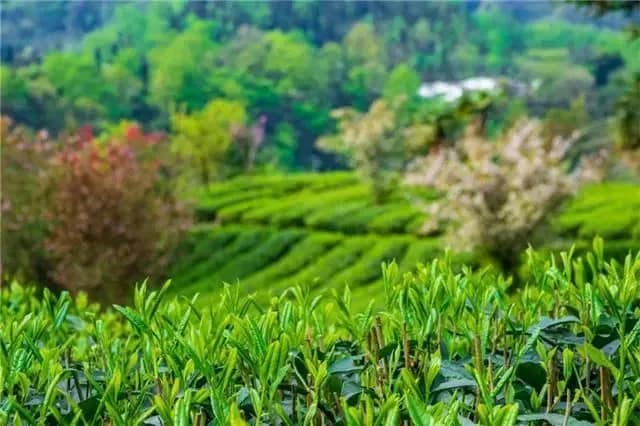
The discovery of tea is closely linked to the natural environment of the region, with Sichuan’s humid climate and fertile land providing the ideal conditions for tea cultivation. Historians suggest that Sichuan tea was consumed during the Western Zhou Dynasty (1046-771 BC), but its widespread adoption across China came only after the Qin unified the region.
The World’s First Tea Planter
While the Yunnan region is known as the origin of the tea plant, it was in Sichuan that tea was first cultivated by humans. In the Western Han Dynasty (206 BC-AD 220), a Taoist scholar named Wu Lizhen was recognized as the first person to grow tea on Mengding Mountain, located in present-day Ya’an, Sichuan. His cultivation of tea, and the establishment of tea gardens on the mountain, made Mengding Mountain tea one of the most famous teas in China.
The tea trees planted by Wu Lizhen were later revered as the “Emperor’s Tea Garden” by the Song Dynasty, and he is honored today as the “Patriarch of Tea Planting.”
The Legacy of Imperial Tribute Tea
Sichuan tea’s rise to prominence continued throughout the centuries, especially during the Tang Dynasty (618-907 AD), when it became an official imperial tribute tea. “Tribute tea” was tea offered as tribute to the emperors of China, and Sichuan’s Mengding Mountain tea was one of the most prestigious offerings. This tribute status lasted for more than 1,100 years, from 742 AD to the fall of the Qing Dynasty in 1911.
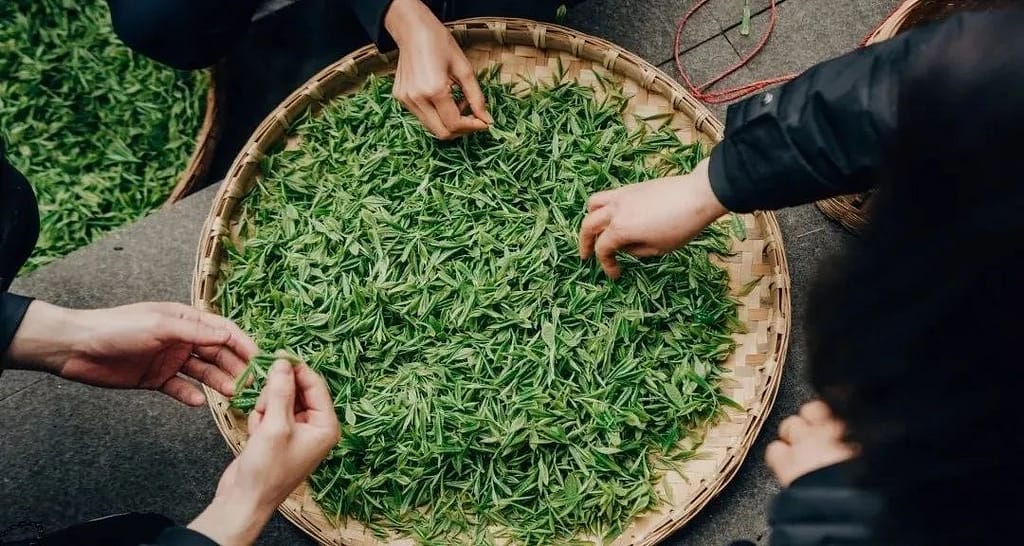
During this period, Sichuan’s tribute tea earned a reputation for its high quality, and tea-making in Sichuan reached an unprecedented level of refinement. Monasteries on Mengding Mountain played a central role in tea cultivation, with different temples managing planting, harvesting, and processing.
Sichuan’s Role as a Tea Trading Hub
By the Western Han Dynasty, Sichuan had become not only a center for tea consumption but also one of China’s earliest tea trading hubs. Sichuan’s tea-making techniques and tea varieties, especially green teas like Mengding tea, spread across the country.
In the Tang Dynasty, Sichuan became a major tea production region, with its famous “Eight Great Teas of Shu” (Sichuan) gaining widespread recognition. By the Song Dynasty (960-1279 AD), Sichuan’s tea output exceeded that of other regions in China, supplying vast quantities of tea not only to the domestic market but also to neighboring Tibet through the Tea-Horse Road, a network of trade routes that linked China and the Tibetan Plateau.
Sichuan tea was so valuable that it became a critical resource in the Song Dynasty’s “Tea for Horses” policy, where tea was exchanged for horses to strengthen the military.
Decline and Modern Revival
Sichuan tea experienced a decline during the Ming and Qing Dynasties, particularly as tea production in the southeastern regions of China expanded for international export. Political turmoil and war, especially during the Ming-Qing transition, also severely affected Sichuan’s tea industry.
However, the establishment of the People’s Republic of China in 1949 saw efforts to revitalize Sichuan’s tea industry. Traditional teas like Mengding tea were revived, and new products, such as Sichuan’s famous “Chuan Hong” black tea, gained popularity in export markets. Today, Sichuan produces a wide range of teas, including green, red, yellow, and black tea.
Modern Sichuan Tea: A Diverse Landscape
Sichuan’s modern tea industry is diverse, offering high-quality teas in four major categories: green tea, black tea, yellow tea, and dark tea. Some of the most famous Sichuan teas include:
- Green Tea: Mengding Sweet Dew, Mountain Emei Green Tea, Bamboo Leaf Green, and Qingcheng Snow Bud are some of the most well-known green teas from Sichuan.
- Black Tea: Chuan Hong, also known as Sichuan Red, is a high-quality black tea with rich flavors and bright red liquor.
- Yellow Tea: Mengding Mountain also produces premium yellow teas like Mengding Yellow Bud, known for its delicate flavor and complex production process.
- Dark Tea: Sichuan dark tea, or “Tibetan tea,” is still traded with Tibet, continuing the centuries-old tradition of the Tea-Horse Road.
Conclusion
Sichuan tea, with its deep historical roots, has shaped the course of Chinese tea culture for over two millennia. From the ancient cultivation of tea by Wu Lizhen to its imperial tribute status and role in the trade along the Tea-Horse Road, Sichuan tea has left an indelible mark on China’s tea history. Today, with its rich variety of teas, Sichuan continues to be a major player in China’s tea industry, celebrated for both its traditional and innovative approaches to tea production.